
Common Misconceptions About Lift Kits and How to Avoid Them


Understanding Lift Kits: Separating Fact from Fiction
Lift kits have become increasingly popular among truck and SUV enthusiasts looking to enhance the appearance and performance of their vehicles. However, along with their popularity, a number of misconceptions have arisen. Understanding these myths can help you make an informed decision when considering a lift kit for your vehicle.
Misconception 1: Lift Kits Are Only for Looks
While a lift kit undoubtedly changes the aesthetics of a vehicle, it's not just about appearance. Many drivers choose lift kits to improve off-road capabilities, providing increased ground clearance and the ability to fit larger tires. This can significantly enhance performance in off-road conditions, making it easier to navigate challenging terrains.
Moreover, lift kits can also improve handling dynamics for certain vehicles. By altering the suspension, drivers may experience a more comfortable ride on rough roads. Therefore, assuming lift kits are purely cosmetic overlooks their functional benefits.
Misconception 2: All Lift Kits Are the Same
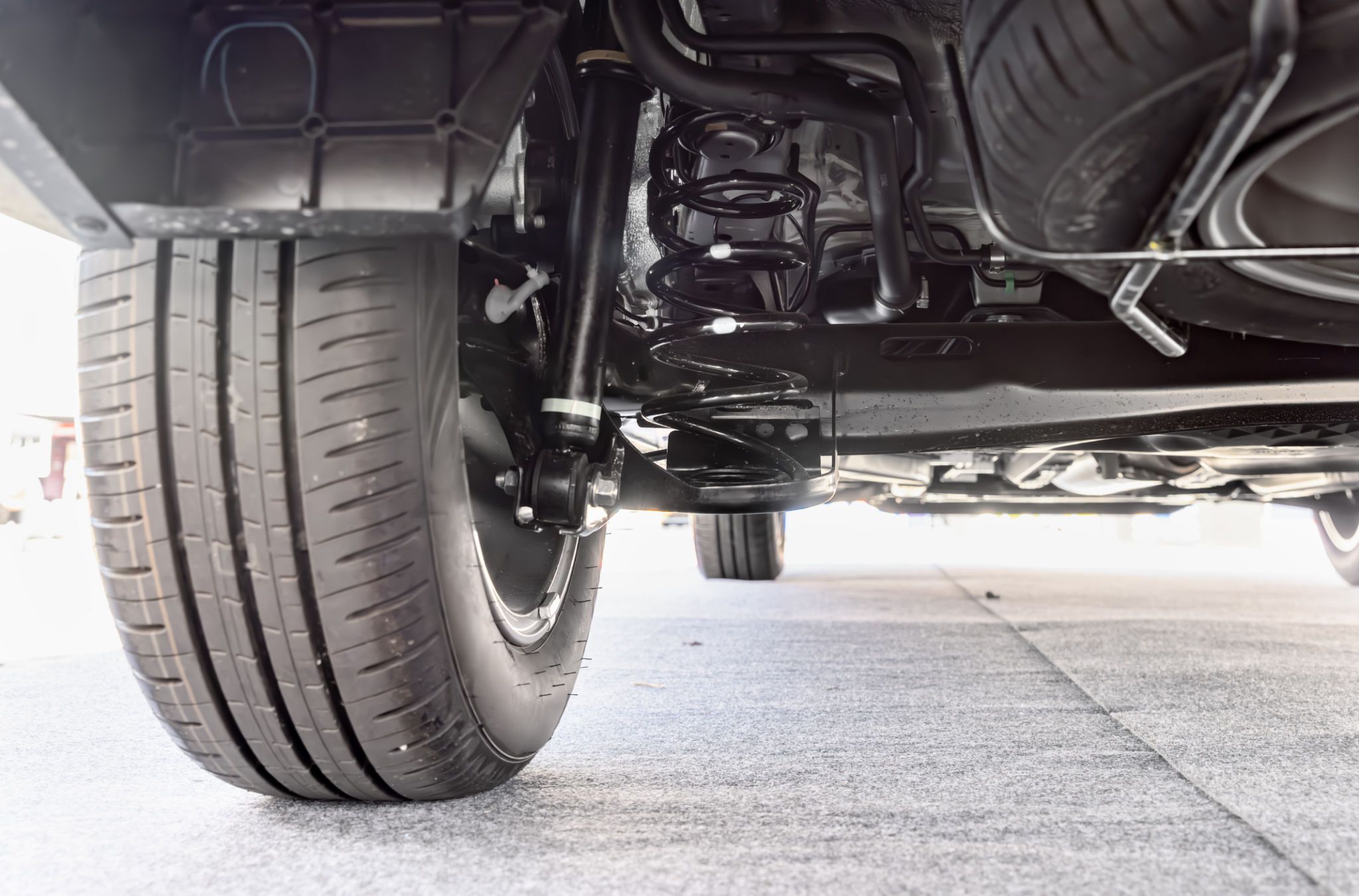
Another common myth is that all lift kits offer the same results. In reality, there are different types of lift kits, each designed for specific purposes. Suspension lift kits, for example, are ideal for serious off-road enthusiasts, while body lift kits are more suited for those primarily interested in aesthetic changes.
Furthermore, the quality of lift kits varies by manufacturer. It's essential to choose a reputable brand to ensure reliability and performance. Doing thorough research and consulting with professionals can help you select the right lift kit for your needs.
Misconception 3: Lift Kits Are Easy to Install
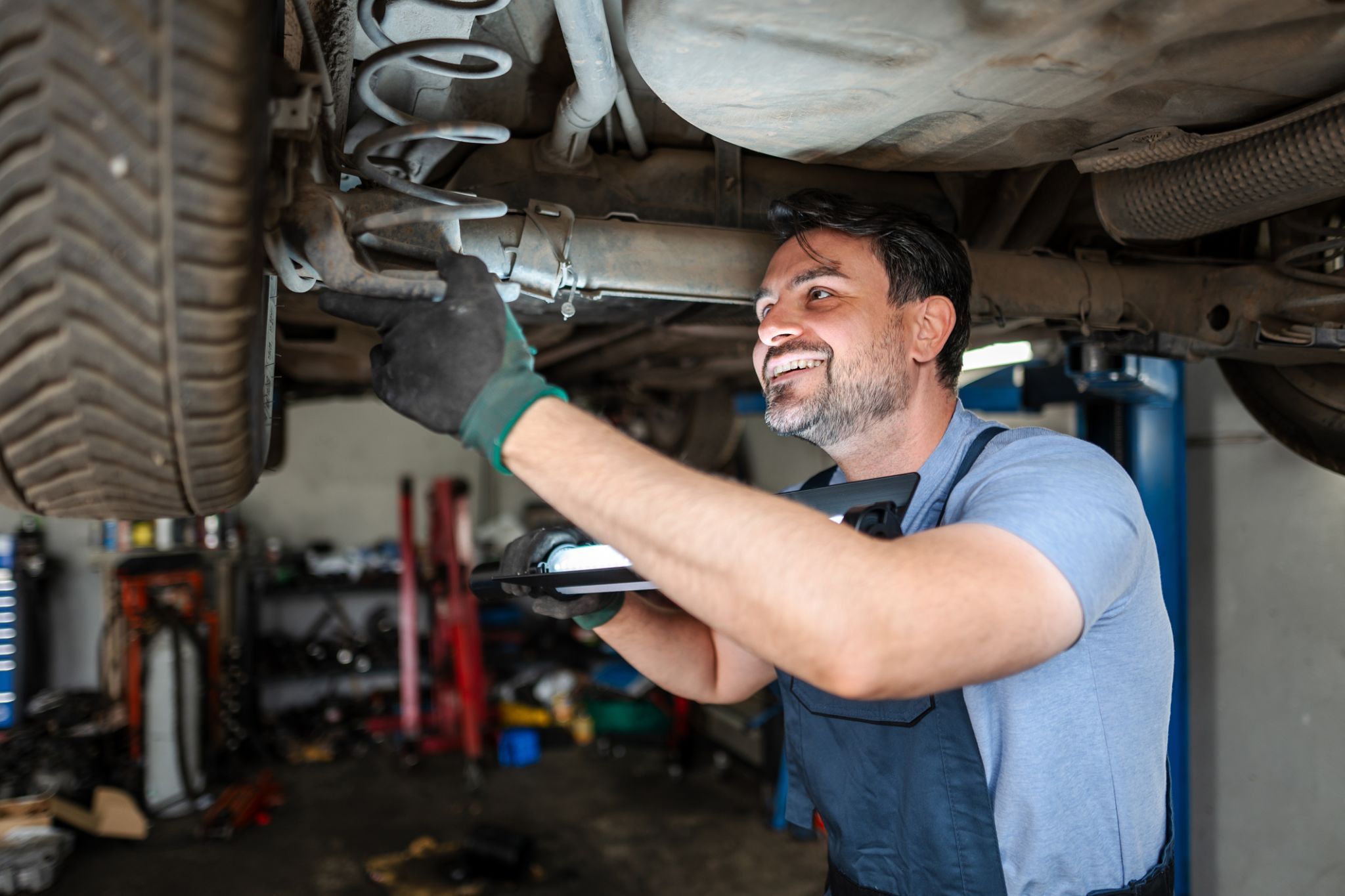
Some may underestimate the complexity of installing a lift kit, thinking it's a straightforward DIY project. While there are kits marketed as easy to install, proper installation often requires specialized tools and expertise. Incorrect installation can lead to handling issues and even damage to the vehicle.
It's generally advisable to have a professional handle the installation. This ensures that the lift kit is installed correctly and safely, maintaining the integrity and performance of your vehicle.
Misconception 4: Lift Kits Will Ruin Your Vehicle
Concerns about lift kits damaging vehicles are not entirely unfounded, but they often stem from improper installation or poor-quality kits. A well-installed, high-quality lift kit should not harm your vehicle. In fact, it can enhance its capabilities.
However, it's crucial to understand that lifting a vehicle changes its center of gravity, which can affect handling. Drivers should adjust their driving habits accordingly and ensure that regular maintenance checks are performed to prevent any potential issues.
Conclusion: Making an Informed Decision
By understanding these common misconceptions about lift kits, you can make a more informed decision about whether a lift kit is right for you. Remember to research thoroughly, choose quality products, and rely on professional installation. This approach will help you enjoy the benefits of a lift kit while minimizing potential drawbacks.