
DIY Installation: Installing Wheels and Tires on Your Jeep


Installing new wheels and tires on your Jeep can be a thrilling DIY project. Not only does it give your vehicle a fresh look, but it also enhances its performance. Whether you're upgrading for aesthetics or off-road capability, this guide will walk you through the process step-by-step.
Gathering Your Tools and Materials
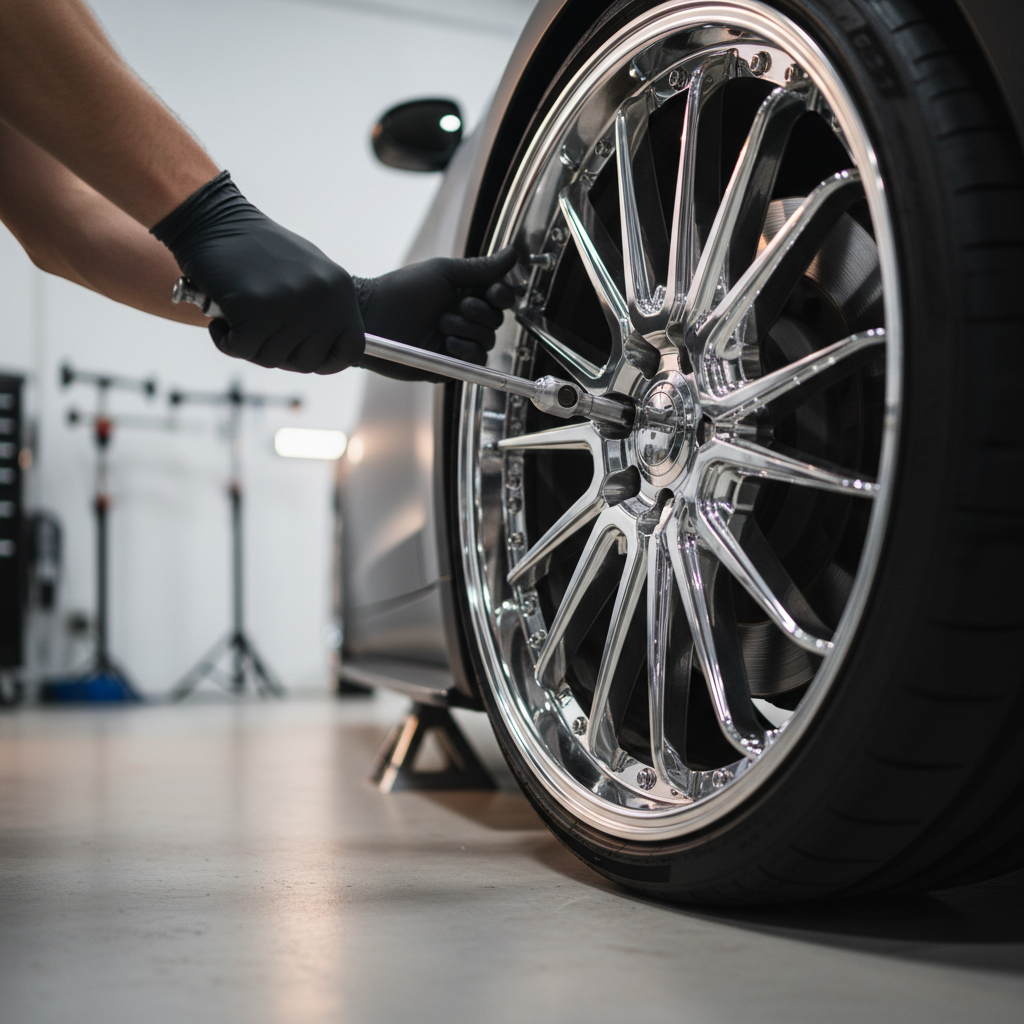
Before starting, ensure you have all the necessary tools. You'll need a jack, lug wrench, torque wrench, and a set of wheel chocks. It's also essential to have the right size wheels and tires compatible with your Jeep model.
Additionally, check the manufacturer's specifications for the correct tire pressure and lug nut torque. This information is crucial for a safe and secure installation.
Preparing Your Jeep
Start by parking your Jeep on a flat, stable surface. Engage the parking brake and place wheel chocks behind the tires to prevent any movement. This step is vital for safety during the installation process.
Next, loosen the lug nuts on the wheels you'll be replacing. Do this while the vehicle is still on the ground to prevent the tires from spinning. Use a lug wrench and turn each nut counterclockwise.
Lifting the Jeep
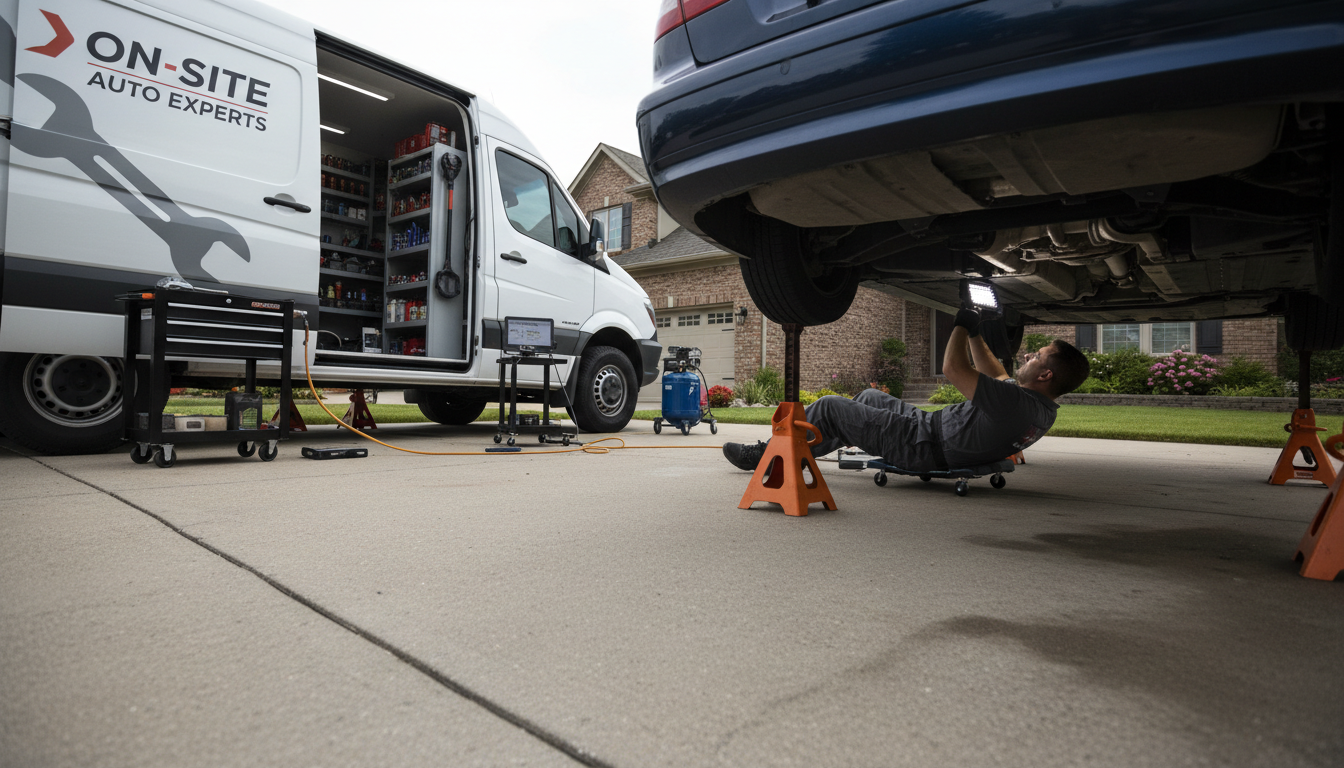
Position the jack under the vehicle's designated lift point and raise the Jeep until the tire is off the ground. Ensure the vehicle is stable before removing the tires. Once lifted, remove the loosened lug nuts completely and take off the old wheels.
Installing the New Wheels and Tires
Align the new wheel with the hub and hand-tighten the lug nuts in a crisscross pattern. This ensures even pressure and a secure fit. Once all the nuts are hand-tightened, lower the vehicle slightly so the tire makes contact with the ground, providing enough resistance to tighten the nuts with a torque wrench.
Using the torque wrench, tighten the lug nuts to the manufacturer's specified torque. This step is crucial for safety, as improper torque can lead to wheel detachment while driving.
Final Checks
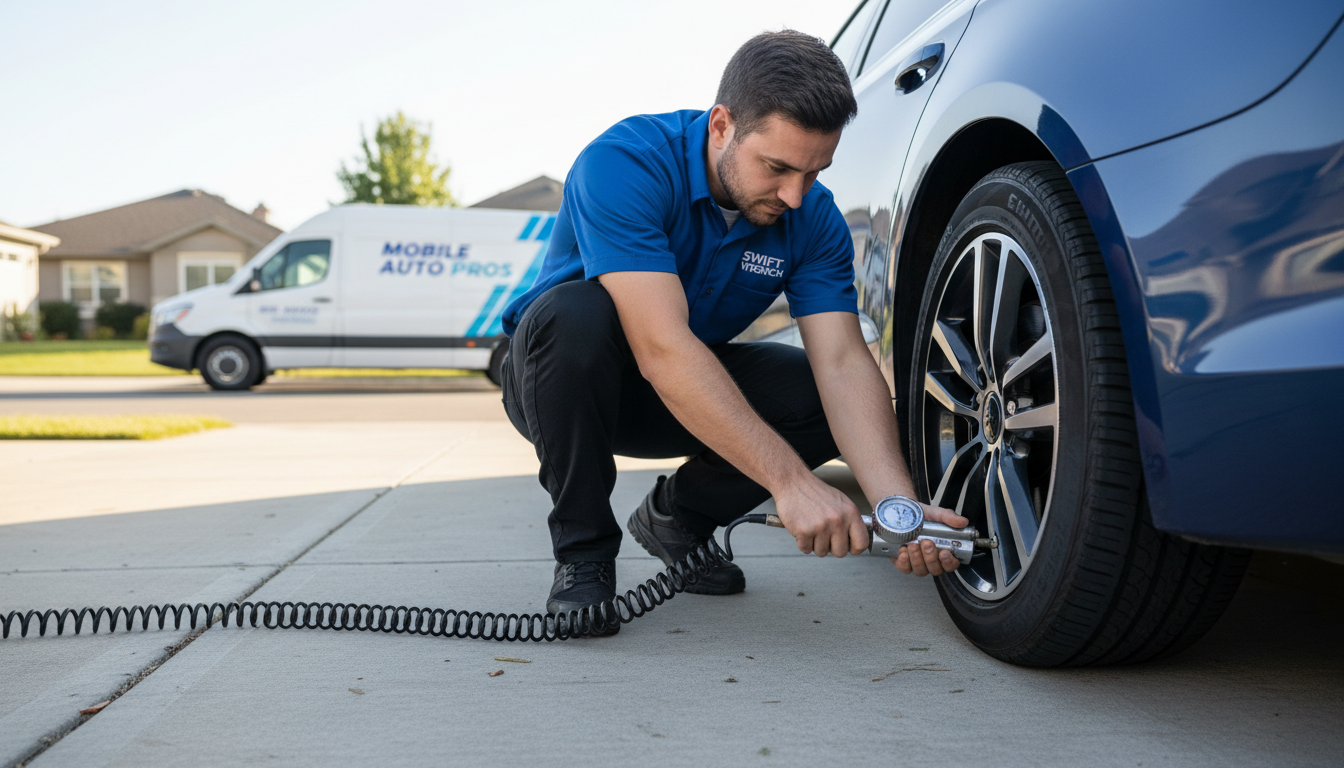
Once all wheels are installed, check the tire pressure to ensure it matches the recommended levels. Proper tire inflation is essential for optimal performance and safety.
Finally, take your Jeep for a short test drive. Listen for any unusual noises or vibrations, and recheck the lug nuts' tightness after driving a few miles. This ensures everything is securely in place.
Conclusion
Installing wheels and tires on your Jeep is a rewarding DIY project that enhances both appearance and performance. By following these steps, you can ensure a safe and efficient installation. Always prioritize safety and consult your Jeep's manual for specific guidelines.